We say it dozens of times a day, usually without thinking: OK. It can mean yes, fine, whatever, or let's move on. Over the years people have credited it to everything from a Haitian port to Choctaw, Scots, Greek and German phrases, plus tales of biscuit stamps and shipbuilders' chalk marks. The real story, it turns out, is far sillier and much better documented than any of those romantic theories.
A Boston newspaper's goofy shorthand
In the late 1830s, American newspapers were crazy about abbreviations, a bit like our own LOL and BRB. Writers tossed around initials for phrases such as "it shall be done" or "small potatoes," and the funniest ones were deliberately misspelled. On March 23, 1839, an editor at the Boston Morning Post used "o.k." for "oll korrect," a cheeky way of saying all correct. Linguist Allan Metcalf calls it a lame joke, and he means it affectionately.
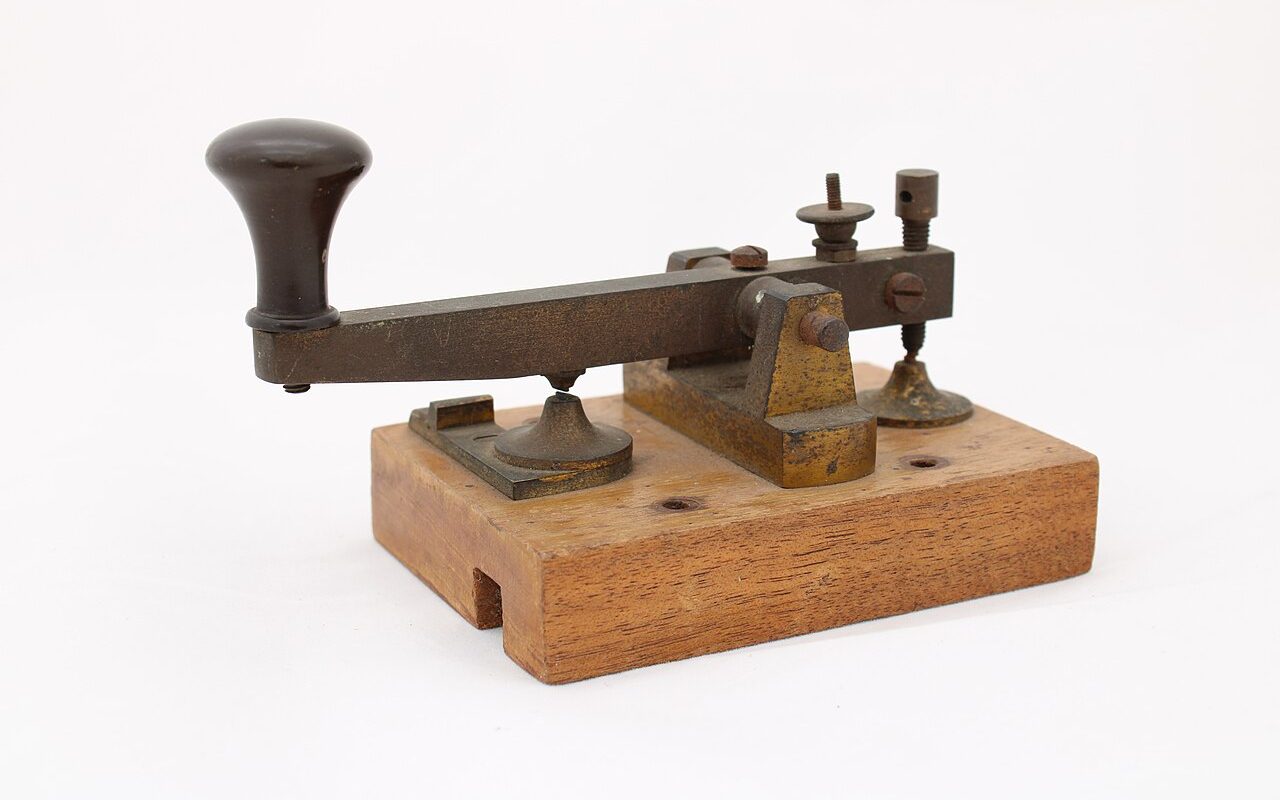
Most of those fad abbreviations faded quickly, but OK got lucky. During the 1840 presidential race, fans of Martin Van Buren, nicknamed Old Kinderhook, formed O.K. Clubs, and the letters suddenly showed up everywhere. Then the telegraph arrived, and operators loved having a quick two-letter way to confirm a message had come through. By the 1870s, OK was standard on the wires.
Columbia professor Allen Walker Read pieced the true history together in the 1960s. Metcalf argues that OK actually thrived because people forgot where it came from, letting all sorts of colorful origin myths grow around it. So the next time you text a quick OK, remember you're carrying on a nearly two-century-old inside joke.
Source: Mental Floss