Sleep trackers promise a window into your nights, but sleep specialists say they shine brightest when you have a specific question in mind. If you already wake up rested, a gadget may tell you little you don't know and could even make you anxious. If you've noticed you're dragging through the afternoon, or a new routine seems to be affecting your rest, a few weeks of data can be genuinely illuminating.
The most reliable number is usually total sleep time. It can be reassuring to learn you actually slept six or seven hours on a night that felt restless, or eye-opening to see you get less than you assumed. Over time, a tracker builds a personal log that helps you connect the dots between late dinners, stress, travel, and how well you sleep. The data is most valuable when you're willing to act on it, ideally with a doctor's input if something seems off.
Watch out for data obsession
There is such a thing as caring too much. Researchers have described a pattern where people become so fixated on perfect scores that the tracking itself disrupts their rest. Treat the numbers as gentle trends, not nightly report cards. It's also worth remembering that health data is personal, so read the privacy settings before you sync everything to the cloud.
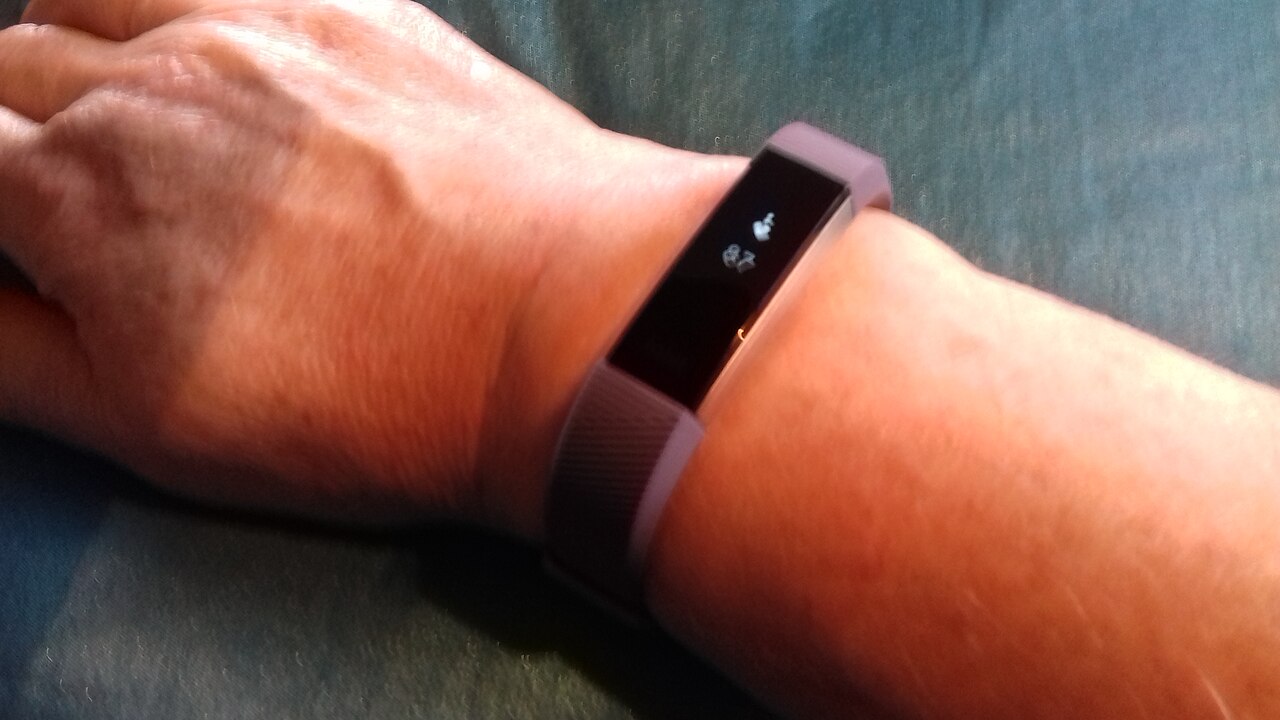
Choosing a style comes down to comfort. Smartwatches and fitness bands are convenient but need regular charging and can feel bulky in bed. Smart rings are a slimmer alternative. Bedside or under-mattress sensors plug into the wall, so there's nothing to wear or forget, which makes them a good choice for anyone who hates sleeping with something on their wrist.
Source: Reviewed