Before you buy a single tool, think about the projects you actually want to tackle. Hanging shelves and fixing loose hinges call for a drill/driver and maybe a stud finder. Building furniture or crafts points toward saws, sanders, and clamps. Deck and garden projects lean on a circular saw and an impact driver. Knowing your goals keeps you from buying a bundle full of tools that end up gathering dust.
The biggest decision is really the battery. Most cordless tools run on a brand's own battery system, so once you commit to one maker, every new tool can share the same batteries and charger. Mixing brands means more chargers, more clutter, and more money. When choosing, consider how easy the brand is to find locally, how wide its tool lineup is, its warranty, and its reputation for durability.
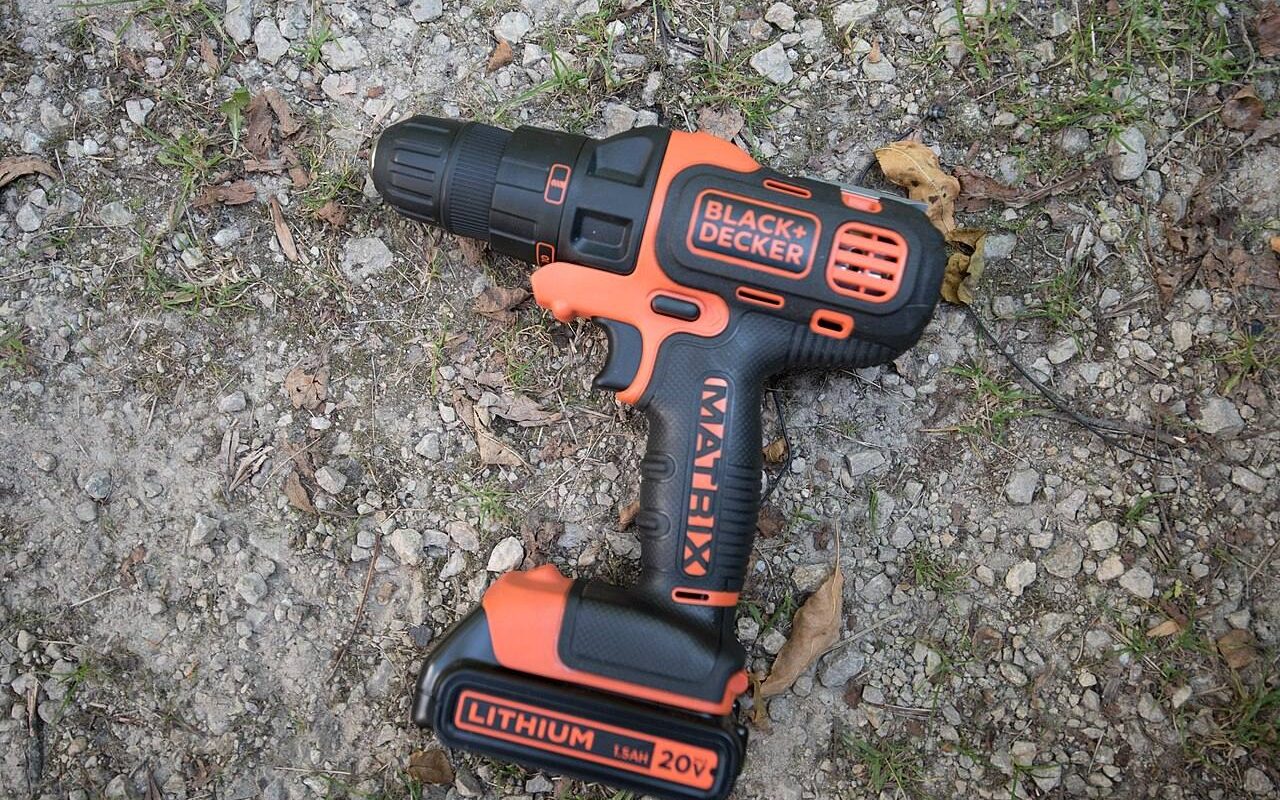
- Cordless drill/driver for holes, screws, and furniture assembly
- Circular saw for straight cuts in lumber and plywood
- Oscillating multi-tool for trimming, scraping, and tight spots
- Orbital sander for smooth finishes on DIY projects
- Jigsaw for curves and decorative cuts
Starter kits with a drill, battery, and charger are often the best value, and you can add bare tools later as projects come up. Match the quality tier to how often you'll work: entry-level tools suit occasional fixes, while hobbyists benefit from mid-range models with better batteries. Always wear eye and ear protection, read the manual, and wipe tools down and store them somewhere dry after each job.
Source: Tools in Action