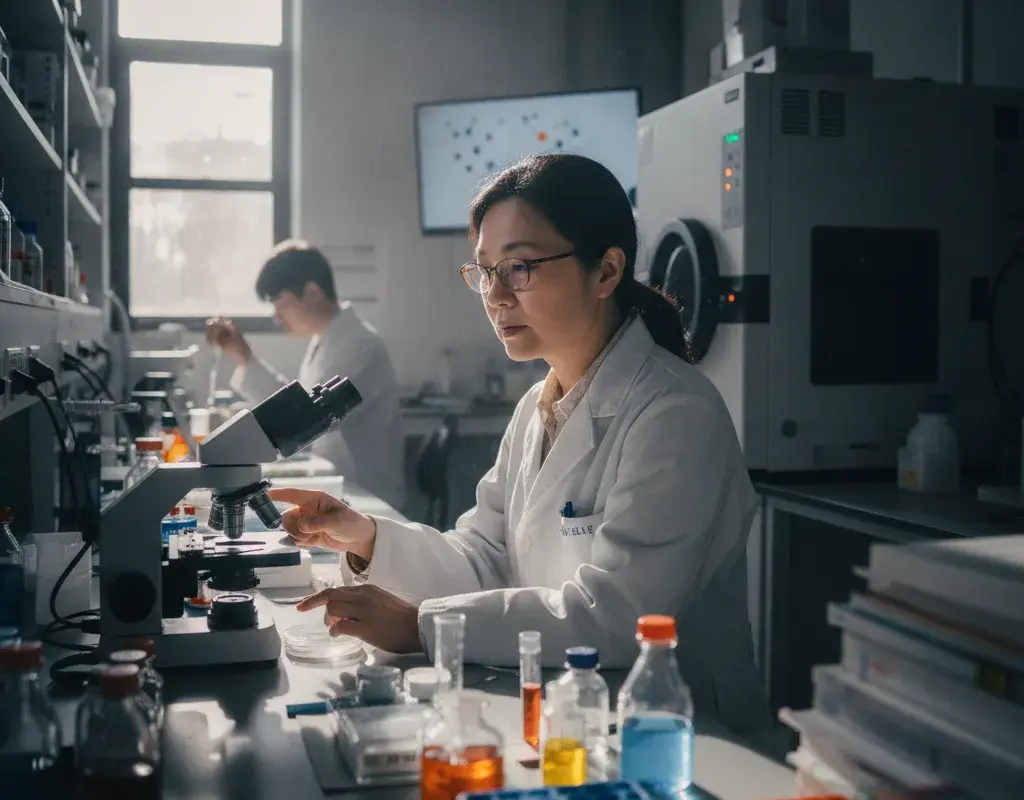
Managing multiple prescriptions is a common reality for millions of patients, but mixing different medications can sometimes lead to unexpected and dangerous side effects. To combat this risk, Dr. Wei Yue, a professor of pharmaceutical sciences at the University of Oklahoma College of Pharmacy, has been awarded nearly two million dollars from the National Institutes of Health. Over the next five years, Dr. Yue will investigate how the body moves drugs into the liver and why certain medications interfere with that critical transport process.
While most people are familiar with dietary warnings like avoiding grapefruit juice while taking cholesterol meds, Dr. Yue is focusing on a deeper biological mechanism known as drug transporters. Specifically, she studies proteins called organic anion transporting polypeptides, or OATP, which act as gateways allowing medicine to enter liver cells. When a second drug blocks these gates, the primary medication cannot be processed properly and instead builds up in the bloodstream. This can lead to severe complications such as muscle toxicity in patients taking statins.
To solve this puzzle, Dr. Yue’s team will blend traditional cell biology with advanced computational modeling and simulations. Their goal is to create a predictive system that identifies potentially harmful interactions before they ever reach a patient. By uncovering these hidden signals early on, the research aims to provide doctors and pharmacists with essential foresight regarding which existing drugs on the market might actually be unsafe when used together.
Dr. Yue is already a globally recognized authority in this field, serving on the steering committee of the International Transporter Consortium and contributing to guidelines used by regulatory agencies in the United States, Europe, and Japan. According to Dean Melissa Medina of the OU College of Pharmacy, this work represents a perfect bridge between fundamental lab research and real world patient care, ensuring that life saving treatments do not inadvertently cause new health crises.