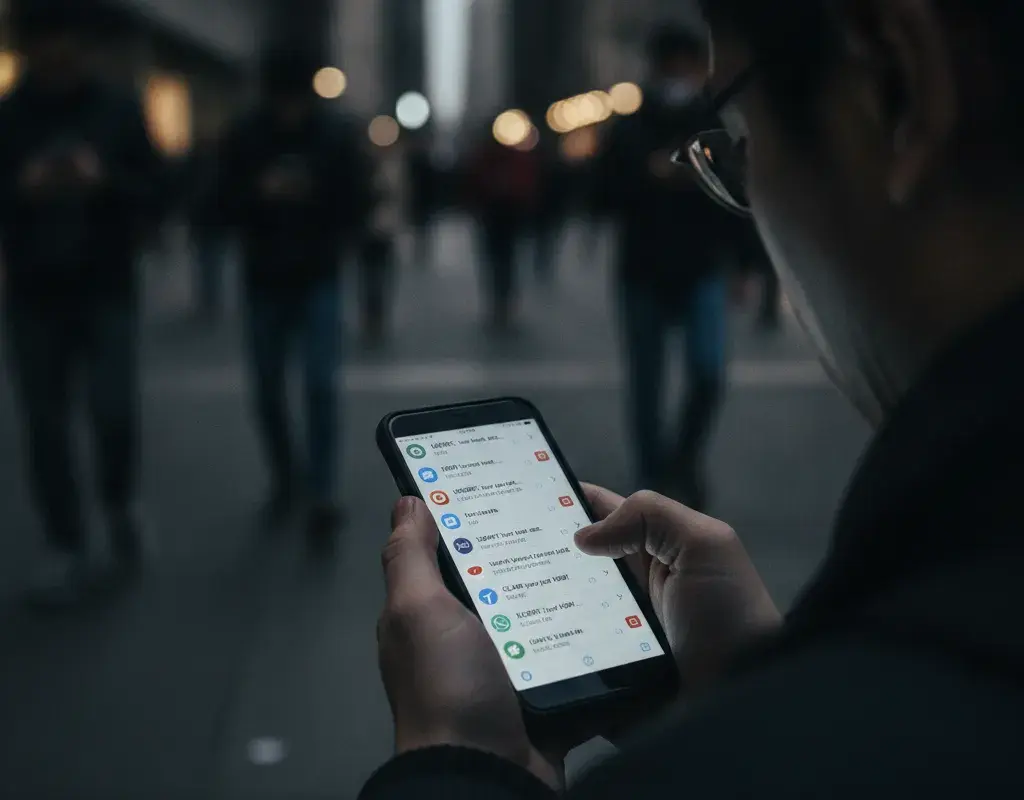
Your smartphone has become a primary battlefield for cybercriminals who are no longer relying on complex hacking software to reach their victims. Instead, scammers are weaponizing the same everyday communication apps and automation tools that millions of people use for work and family. By leveraging legitimate cloud services and mass messaging platforms, these bad actors can bypass traditional spam filters and deliver thousands of fraudulent texts or calls in a matter of seconds.
These modern campaigns often mimic official alerts from banks, delivery services, or government agencies to create a sense of urgency. Because they use standard technology tools rather than obvious malware, the messages look indistinguishable from real notifications. Once a user clicks a link or replies to one of these baits, they are typically led to sophisticated phishing sites designed to steal passwords or social security numbers under the guise of identity verification.
Security experts warn that the sheer volume of these attacks is creating a noise floor where genuine emergency alerts might be ignored. They suggest that the best defense is a healthy dose of skepticism toward any unsolicited message requesting immediate action. Rather than clicking links provided in a text, users should manually navigate to an official website or call a verified customer service number to check their account status safely.