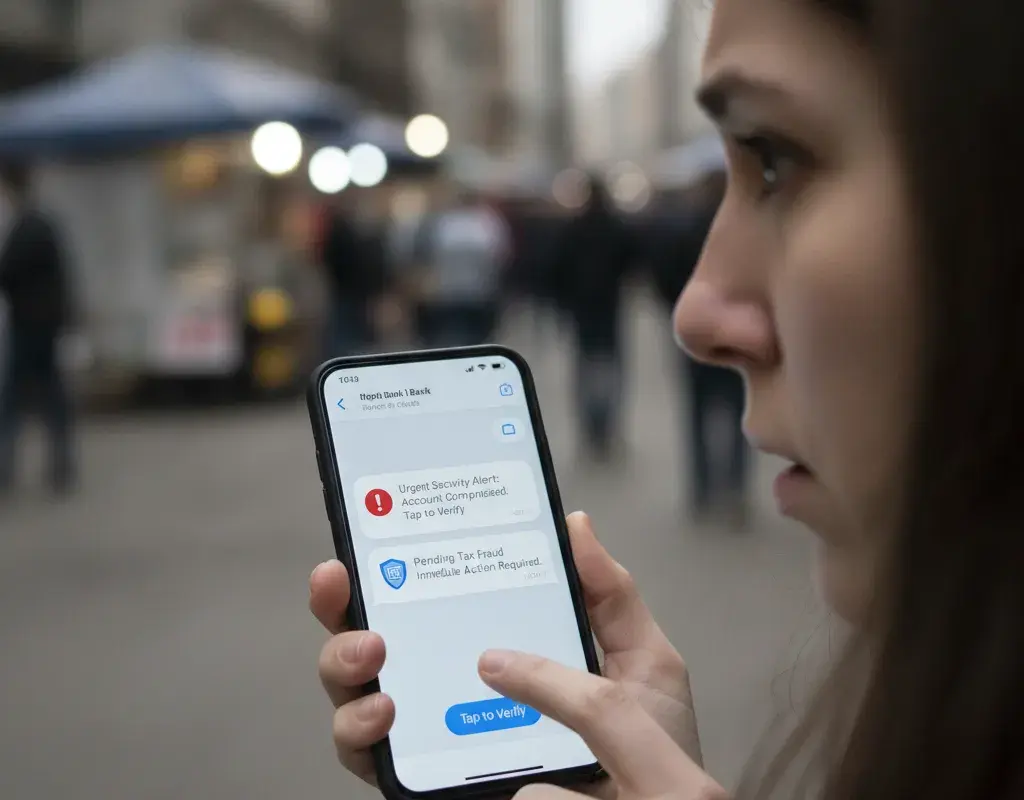
Your smartphone used to be a tool for connection, but lately it has become a gateway for an endless stream of sophisticated scams. Fraudsters are no longer relying solely on clunky emails or obvious phishing links; instead, they are leveraging common apps and built-in communication features to bypass security filters and land directly in your notifications. By mimicking trusted brands or pretending to be government agencies, these bad actors create a sense of urgency that tricks even the most cautious users into clicking malicious links.
The danger lies in how seamlessly these attacks blend into our daily routines. From AI-generated voice clones that sound like family members in distress to automated texts claiming there is a problem with a package delivery, the tactics have evolved to feel personal and authentic. Many of these schemes utilize cloud-based messaging services and social media platforms to cast a wide net, flooding thousands of devices simultaneously while avoiding detection from traditional spam folders.
Security experts warn that the best defense is a healthy dose of skepticism toward any unsolicited message demanding immediate action. They recommend verifying requests through official channels rather than trusting the contact information provided within a suspicious text or call. As technology continues to advance, the battle between cybersecurity teams and scammers remains a constant game of cat and mouse, leaving consumers as the primary target in an increasingly noisy digital landscape.