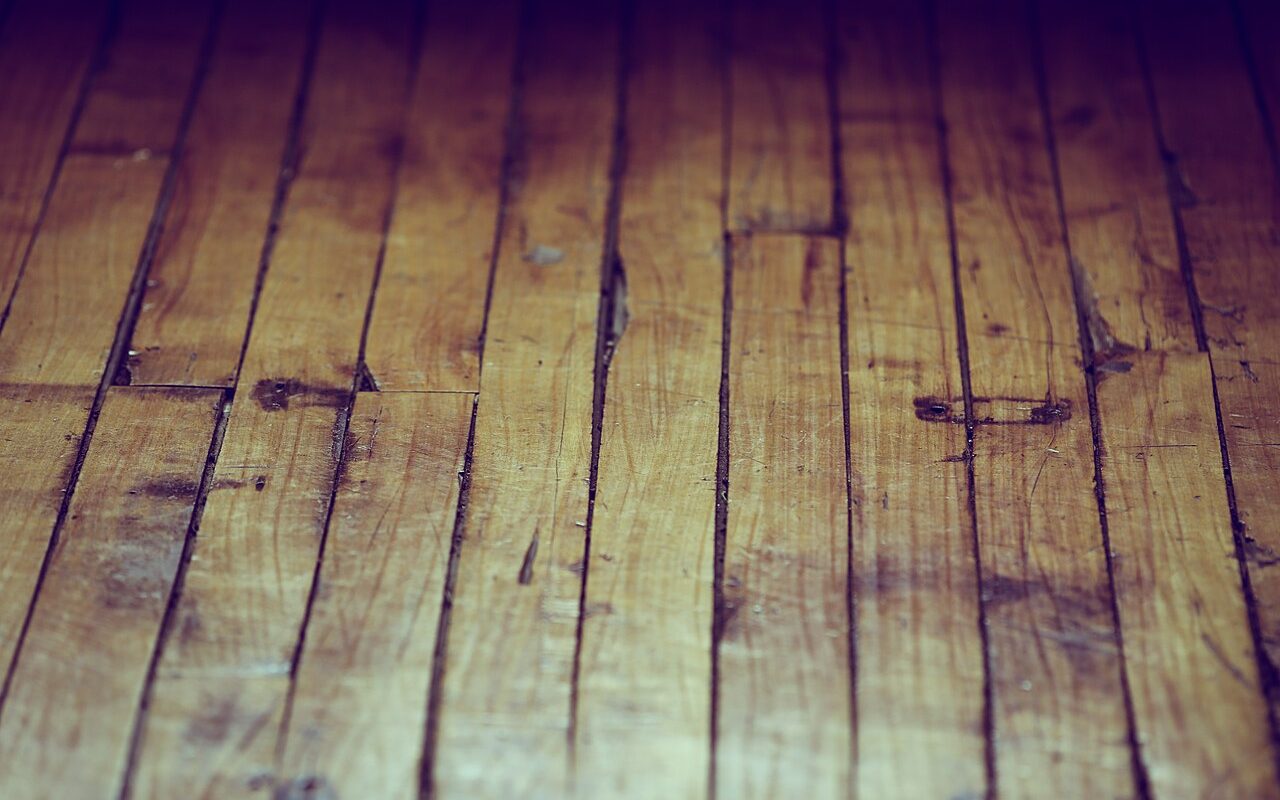
Squeaky floors have a certain old-house charm, right up until you are tiptoeing to the kitchen at midnight. The good news is that silencing them is usually a beginner-friendly project that takes well under an hour and costs very little. Most squeaks happen because wood naturally swells and shrinks with the seasons, loosening the nails over time, or because small gaps open between the boards and the subfloor beneath them.
Start by hunting down the noise. Walk the room slowly, pausing on every spot that complains, and mark each one with painter's tape or chalk. If you can get into a basement or crawl space, have a helper walk overhead while you listen and watch from below. Look for boards that visibly flex or gaps where the subfloor is not sitting tight against the joists, since that tells you where to work.
Fixing It From Above or Below
From above, special breakaway screws are the easiest solution. A small fixture guides the screw through the board into the subfloor, then the head snaps off just below the surface, leaving a tiny hole you can fill with a color-matched wood filler stick. Drill a small test hole first to check what is underneath. From below, tap a glue-coated wood shim into any gap between joist and subfloor, or fasten a small block against the subfloor for extra support.
Once things are quiet, a few habits help keep them that way. Lay rugs in busy walkways, go easy on hard heels, and try to keep indoor humidity steady through the year so the wood moves less. A dehumidifier in a damp basement protects the subfloor, too. Check your floors every so often and deal with new creaks early, while they are still a simple five-minute fix.
Source: This Old House